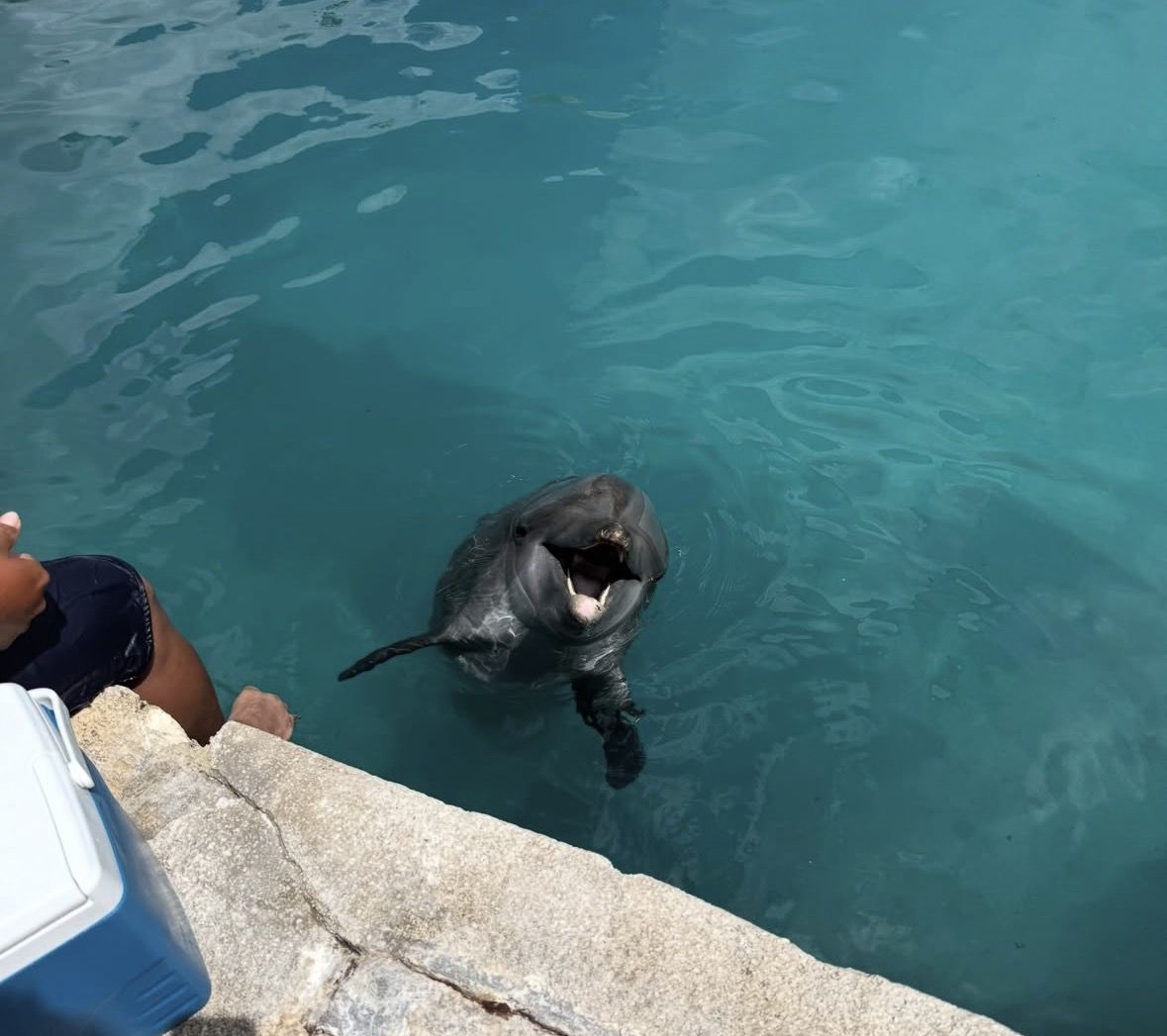
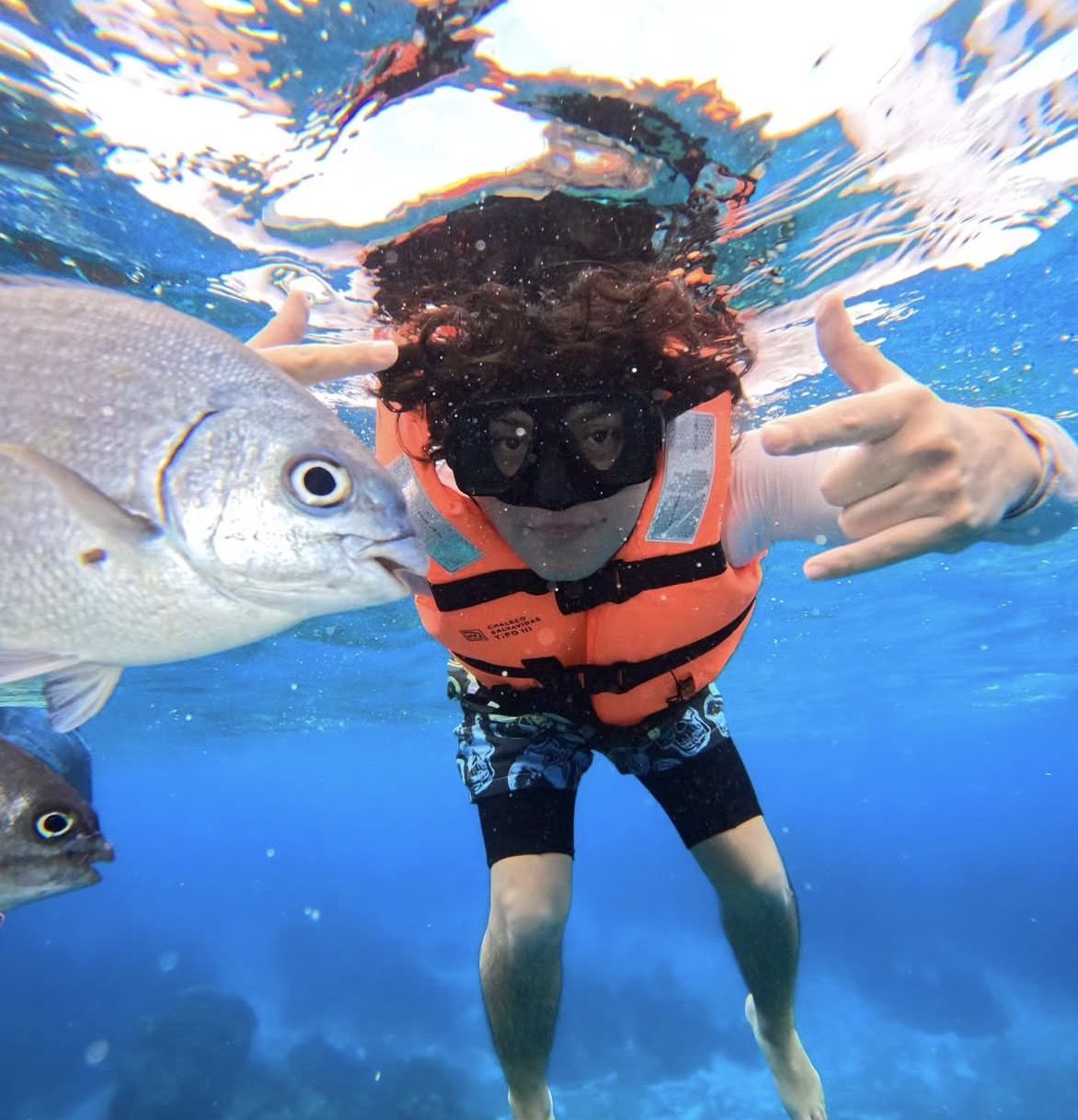
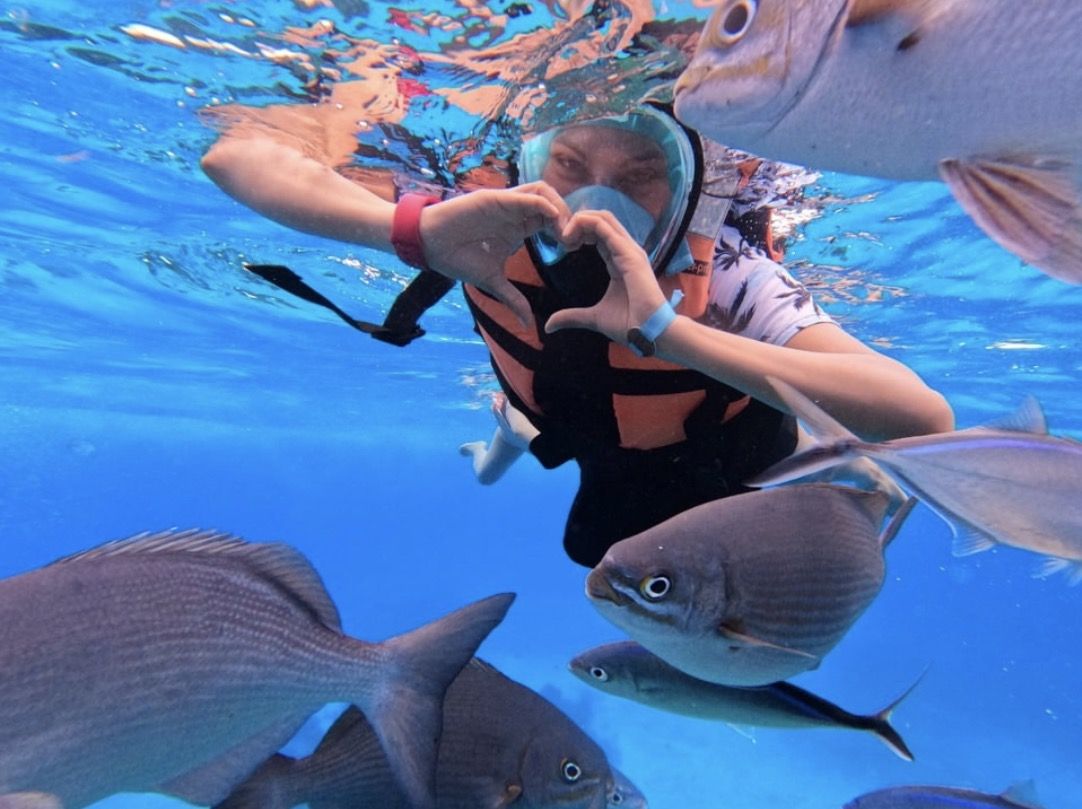
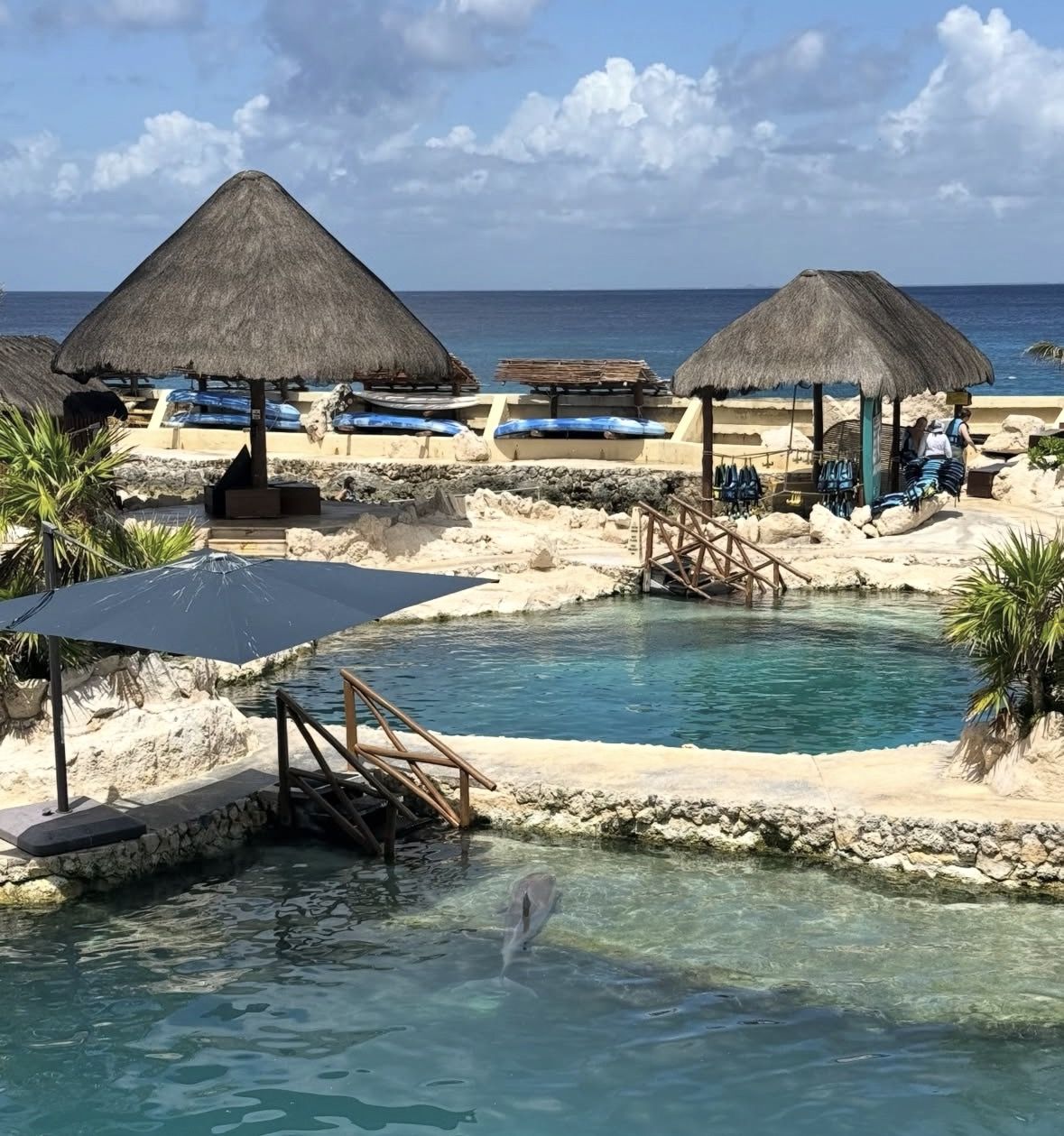
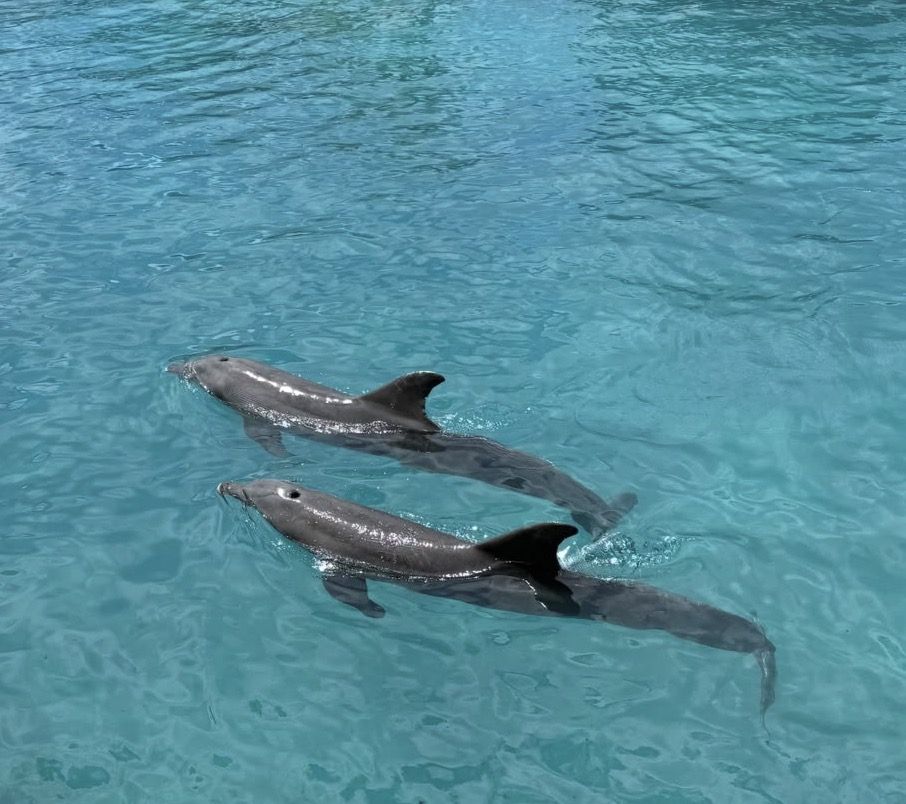
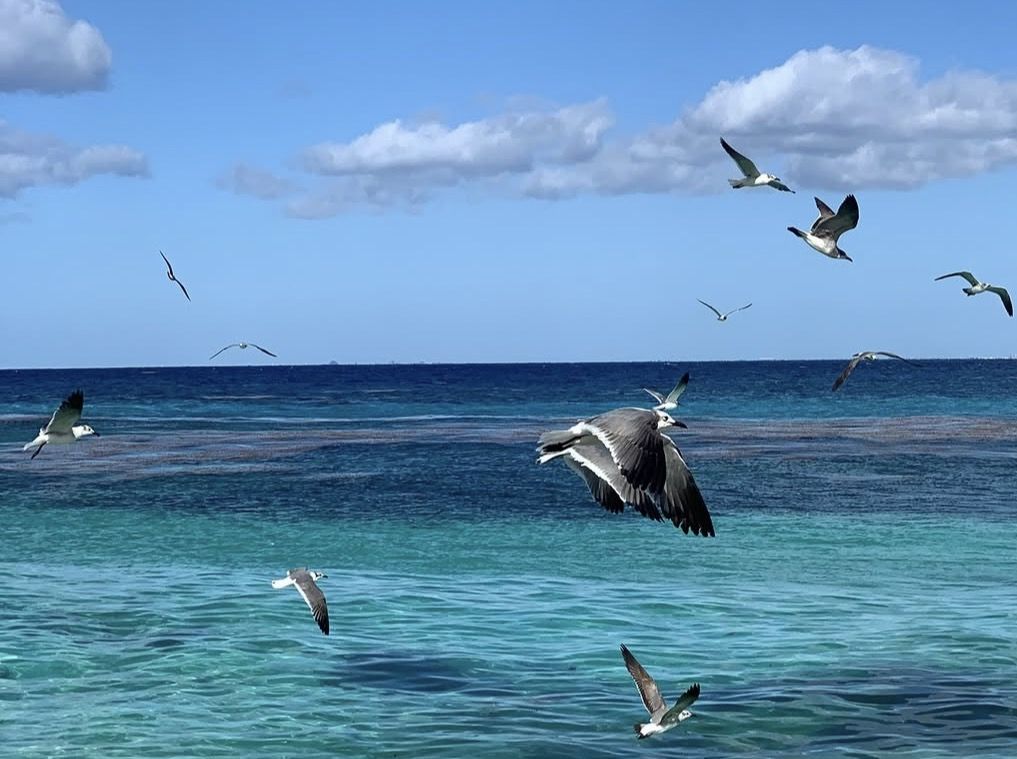
A sun-drenched island in the Mexican Caribbean, this destination is celebrated worldwide for its extraordinary coral reefs and turquoise waters. Whether you crave underwater adventures, cultural exploration, or simply a perfect beach day, this island delivers on every front.
Featured Tour
The Jade Caverns and Mayan Village Cozumel ATV Tour is the island's most celebrated off-road adventure, earning a near-perfect 4.9-star rating from over a thousand happy riders. You'll pilot your own automatic ATV — solo or with a passenger — deep into Cozumel's lush jungle alongside an expert local guide. No prior riding experience or driver's license is required, making this accessible and exciting for nearly everyone. The route winds through dramatic jungle trails before arriving at Jade Caverns, a breathtaking underground cenote connected to both the sea and an ancient river system formed 64 million years ago. You'll have the chance to swim in its crystal waters or leap from a 20-foot cliff into the cenote below. The adventure continues into a historic Mayan village where you'll stroll past a centuries-old Catholic church, admire a genuine Mayan temple, and browse handcrafted goods made by local artisans. To finish the day in style, sample a selection of artisanal organic tequilas before your guide returns you to the original pickup point.
About the Destination
Nestled in the Caribbean Sea off Mexico's Yucatán Peninsula, this island is one of the most visited destinations in the Americas. Its remarkable marine biodiversity and laid-back atmosphere make it a magnet for travelers from every corner of the globe.
Cozumel sits approximately 19 kilometers off the eastern coast of the Yucatán Peninsula, making it Mexico's largest Caribbean island. Covering roughly 477 square kilometers, it is flanked by the Mesoamerican Barrier Reef — the second largest coral reef system on Earth. The island's western shore hosts calm, clear waters ideal for swimming and diving, while the rugged eastern coastline faces the open Caribbean Sea, offering dramatic wave-swept scenery. San Miguel de Cozumel serves as the main town, port, and cultural hub.
Long before Spanish conquistadors arrived in 1518, this island was a sacred destination for the Maya, who journeyed here to worship Ixchel, goddess of fertility and the moon. San Gervasio, the island's main archaeological site, remains a testament to that spiritual legacy. The Spanish established a colonial presence, but the island was largely depopulated over centuries due to disease and piracy. It wasn't until the 20th century — aided greatly by Jacques Cousteau's 1961 documentary praising its reefs — that the island transformed into an internationally renowned tourism destination.
Visitors arriving today are greeted by a seamless blend of natural splendor and warm Mexican hospitality. The turquoise water clarity is genuinely astounding — visibility can exceed 30 meters on a calm day. Beyond diving and snorkeling, travelers enjoy fresh ceviche at waterfront restaurants, browse artisan markets for local crafts and silver jewelry, and take leisurely scooter rides around the island's perimeter road. The relaxed pace, friendly locals, and spectacular sunsets create an atmosphere that keeps visitors returning year after year.
The Mesoamerican Barrier Reef running alongside the island is the second largest coral reef system on Earth. It supports extraordinary biodiversity, including sea turtles, eagle rays, and hundreds of tropical fish species.
San Gervasio was an active Maya ceremonial center from around 900 to 1500 AD. Pilgrims from across Mesoamerica once sailed here to honor Ixchel, goddess of fertility, medicine, and the moon.
French explorer Jacques Cousteau featured the island's reefs in a 1961 documentary, calling them among the most beautiful in the world. That broadcast sparked the international diving tourism that defines the island today.
The island is one of the busiest cruise ports in the Western Hemisphere, welcoming millions of passengers annually. Three dedicated cruise piers handle ships from virtually every major line.
Four species of sea turtles — loggerhead, green, hawksbill, and leatherback — nest or feed in local waters. Conservation programs at Punta Sur protect nesting sites and educate visitors about marine stewardship.
The island lies within the Atlantic hurricane belt, with peak storm activity in September and October. Though direct hits are rare, travelers are advised to check forecasts and purchase travel insurance during these months.
The island is regarded as one of the top dive destinations on the planet, with legendary sites including Palancar Reef, Columbia Wall, and Santa Rosa Wall. Strong drift currents carry divers effortlessly past towering coral formations teeming with marine life.
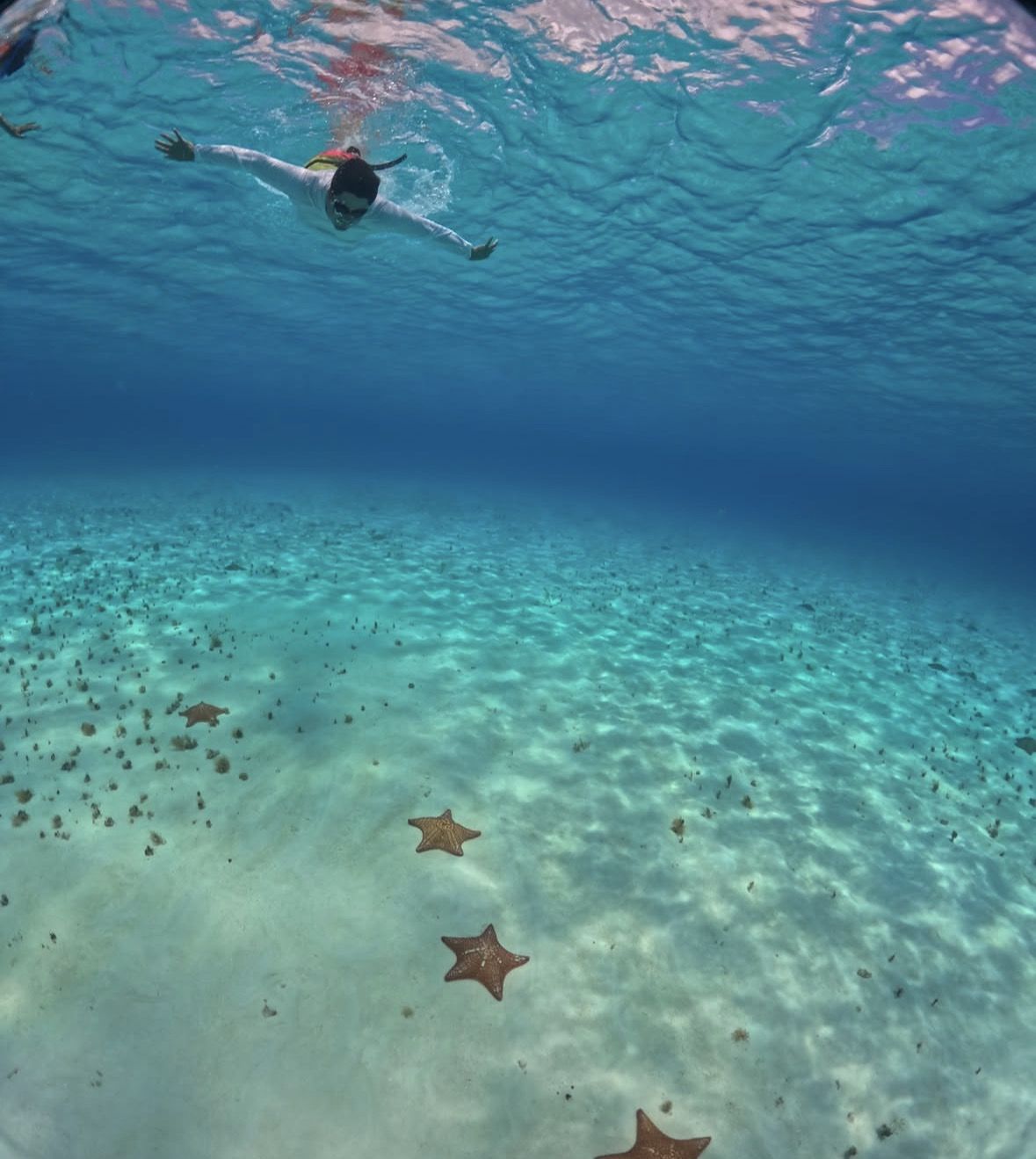
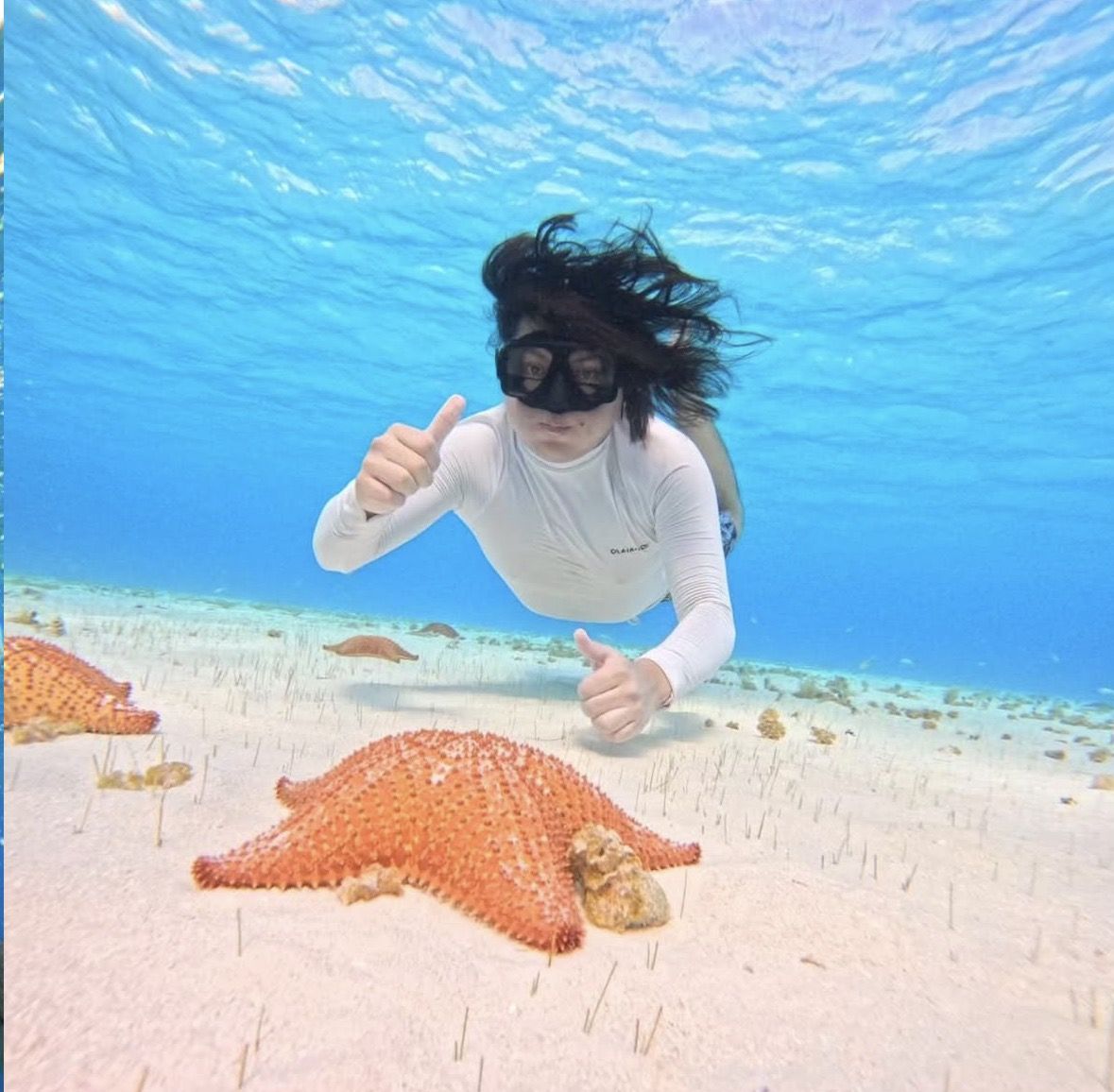
El Cielo — meaning 'heaven' in Spanish — is a shallow sandy lagoon carpeted with thousands of starfish. Tour boats depart daily from the piers, making it an accessible and magical experience even for non-swimmers.
Located at the island's southern tip, this protected ecological reserve encompasses a lighthouse, lagoon, beach, and a colony of American crocodiles. The observation tower offers sweeping views across the Caribbean and the reef below.
Renting a scooter or ATV to circle the island's perimeter road is a beloved rite of passage for visitors. The eastern coast road delivers dramatic wave-battered cliffs, empty beaches, and a genuine sense of off-the-beaten-path adventure.
This ancient Maya site is the most significant archaeological treasure on the island and is easily reached by taxi or rental car. Knowledgeable local guides reveal the spiritual significance of each structure within the jungle-shrouded ceremonial complex.
The main town's waterfront boulevard and market streets overflow with vendors selling fresh tacos, ceviche, craft beer, and traditional Mexican sweets. Local restaurants serve lionfish — an invasive species turned sustainable delicacy — alongside fresh Caribbean catch.
Weighing your options before booking? Here's how this Mexican island stacks up against other top Caribbean diving and beach destinations.
Choosing a Caribbean getaway means weighing factors like crowd levels, travel costs, water quality, and the range of activities on offer. Cozumel sits in a unique sweet spot — world-class reef diving, accessible infrastructure, and genuine Mexican culture — but travelers may also consider destinations like Roatán, the Cayman Islands, or Cancún. This comparison table cuts through the noise, highlighting the real differences so you can choose the destination that best matches your travel style and budget.
| Crowds | Price | Best For | What Sets It Apart | |
|---|---|---|---|---|
| ★ Cozumel | Moderate–High (cruise days) | Mid-range to Budget | Diving, snorkeling & culture | World's 2nd largest reef + Mayan heritage |
| Roatán, Honduras | Low–Moderate | Budget-friendly | Diving on a tighter budget | Affordable dive packages, lush jungle scenery |
| Grand Cayman | Moderate | High–Luxury | Upscale beach & diving | Stingray City & pristine Seven Mile Beach |
| Cancún, Mexico | Very High | Budget to Luxury | Nightlife & resort vacations | Massive hotel zone, Isla Mujeres day trips |
While Roatán undercuts on price and Grand Cayman elevates the luxury factor, Cozumel delivers the most compelling all-round package — exceptional reef diving, accessible beaches, Mayan cultural sites, and vibrant local food culture, all at a price point that suits most travelers. Its combination of natural assets and well-developed tourism infrastructure is genuinely difficult to match in the wider Caribbean region.
Travel Guide
Everything you need to plan a seamless, unforgettable trip to this Mexican Caribbean island.
The island is served by Cozumel International Airport (CZM), which receives direct and connecting flights from major US hubs including Dallas, Houston, Chicago, and Miami, as well as connections via Mexico City. Most travelers from Europe connect through Miami or Cancún. Alternatively, many visitors take a flight into Cancún International Airport, transfer overland to Playa del Carmen, and board one of the frequent passenger ferries to the island — a scenic and affordable option.
Once on the island, getting around is straightforward and enjoyable. Taxis are widely available and operate on fixed-rate zones — always confirm the fare before boarding. For maximum freedom, renting a scooter, bicycle, or compact car is highly recommended and surprisingly affordable. The main perimeter road is well-maintained and clearly signed. Public buses are limited to a north–south route along the western coast. Golf carts are popular near town for short trips and beach hopping.
The optimal window for visiting runs from December through April, when dry-season conditions deliver low humidity, calm seas, and excellent underwater visibility often exceeding 30 meters. These months also coincide with North American and European winter escapes, so accommodations book up quickly — reserving well in advance is essential. March and April are particularly beloved for their near-perfect balance of sunny skies, warm water temperatures around 27°C, and manageable (though still significant) tourist volumes.
The summer months from May to August are warmer and more humid but remain a viable travel period, especially for budget-conscious visitors taking advantage of lower hotel rates. September and October mark the peak of Atlantic hurricane season, bringing the highest risk of storms, choppy seas, and occasional business closures. November acts as a pleasant shoulder month — crowds begin to thin, prices drop, and the sea settles after storm season, offering surprisingly good conditions for diving and beach days.
Lightweight, breathable clothing is your best friend in this tropical climate. Quick-dry fabrics work brilliantly whether you're hopping between beach clubs or exploring jungle ruins. Sun protection is non-negotiable — UV levels near the equator are intense year-round. Pack reef-safe sunscreen specifically, as standard chemical sunscreens are banned to protect the coral reef ecosystem. A lightweight rain jacket covers afternoon shower surprises during the wetter months without taking up significant luggage space.
For water activities, bring your own mask and snorkel if possible — rental equipment varies in quality. Water shoes or reef booties protect your feet on rocky entries and coral-adjacent sand. A dry bag is invaluable for keeping your phone, cash, and documents safe during boat trips. Evenings are casual and warm, so formal attire is rarely needed; a light linen shirt or sundress covers most dinner occasions. Comfortable walking shoes are worth packing for town exploration and ruin visits.
Cruise ship days — typically Tuesday through Saturday — bring the highest foot traffic into San Miguel town and to the main dive sites. Savvy independent travelers schedule diving early in the morning before ships dock, or visit popular beaches on Sunday and Monday when the island feels refreshingly quiet. Learning a handful of Spanish phrases earns genuine warmth from locals, even in this heavily touristic environment. Tipping around 10–15% at restaurants is standard and greatly appreciated.
The Mexican peso is the official currency, though US dollars are widely accepted across the island — you'll simply get better value paying in pesos, especially at local markets and smaller restaurants. Street tacos near the central market offer some of the best and most authentic food at a fraction of restaurant prices. Avoid purchasing coral, shells, or black coral jewelry, as these items are protected and their sale contributes to reef degradation. Always negotiate taxi fares before departing.
No mandatory vaccinations are required for entry into Mexico for most nationalities, but travel health professionals typically recommend being up to date on routine vaccines including hepatitis A, hepatitis B, and typhoid — particularly if you plan to eat at street stalls or local markets. The island's medical facilities are adequate for standard care, though serious conditions may require evacuation to mainland hospitals in Cancún or Mérida. Travel insurance with medical evacuation coverage is strongly recommended for all visitors.
The island is generally safe for tourists, with petty theft being the most common concern in crowded areas around the cruise piers. Keep valuables secured and avoid displaying expensive cameras or jewelry in busy public spaces. The water from hotel taps is not recommended for drinking — stick to bottled or purified water, available everywhere at low cost. Ocean currents can be powerful, particularly on the exposed eastern coastline; always swim at beaches with lifeguard supervision and heed posted warning flags.
Explore More
Extend your adventure with incredible destinations just a short ferry or flight away from the island.

The Cozumel Food Tour is your ticket to experiencing the island's most authentic flavors on a guided 3-hour adventure through downtown.
Check this tour →
The Cozumel Turtle Sanctuary Snorkel Tour is widely regarded as one of the finest all-inclusive snorkel experiences on the island.
Check this tour →
The Jade Caverns and Mayan Village Cozumel ATV Tour is the island's most celebrated off-road adventure, earning a near-perfect 4.9-star rating from over a thousand happy riders.
Check this tour →
The Cozumel Private Island Tour gives you complete control over your day. Paired with your own knowledgeable local guide and a comfortable private vehicle, you decide where to go…
Check this tour →
The 4 Hour Cozumel Turtle Sanctuary Experience on a Luxury Catamarán is widely regarded as the island's finest all-inclusive snorkeling adventure.
Check this tour →
The Explore Cozumel on a Buggy: Tour Around the Island! is the most action-packed way to see everything this Caribbean gem has to offer.
Check this tour →
The Cozumel Private Jeep Tour with Snorkeling Experience and Lunch is the ultimate way to discover everything this Caribbean island has to offer in a single action-packed…
Check this tour →
The Customizable Private Buggy Tour in Cozumel with Lunch and Snorkel hands you the keys — literally — to one of the Caribbean's most beautiful islands.
Check this tour →
The Crystal Boat Trip and Snorkeling Tour from Cozumel delivers a one-of-a-kind way to experience the island's legendary underwater world — without ever having to get wet for the…
Check this tour →
The Private Jeep Tour in Cozumel hands you the freedom to experience the island at your own pace.
Check this tour →Traveler Reviews
Travelers share why Cozumel keeps calling them back year after year.
"The snorkeling tour we booked was absolutely life-changing. Our guide took us to three different reef systems, each more colorful than the last, and we spotted sea turtles on every single stop. The water was so clear we could see down at least 30 feet without any effort. I have traveled to a lot of Caribbean islands, but nothing compares to the sheer biodiversity we encountered here. We are already planning our return trip for next year."
"We joined a full-day catamaran excursion that included snorkeling, a beach club stop, and an open bar, and every moment was pure joy. The crew was professional, funny, and genuinely passionate about the reef ecosystem they were showing us. Palancar Reef blew my mind — I have been scuba diving in Thailand and the Maldives, but this ranked right up there. The island itself is incredibly charming, with great street tacos and friendly locals in San Miguel town. Do not skip the freshly made ceviche at the little market stalls."
"We had a wonderful time overall, though the crowds at the main cruise ship pier area can feel overwhelming between 10am and 3pm. Our advice is to head to the quieter southern beaches or book a morning snorkel tour before the day-trippers arrive. The dive sites were stunning and our instructor was patient with our beginner group. We docked off Columbia Reef and saw eagle rays, which was a definite highlight. A slightly earlier start would have made the whole experience feel more relaxed."
"Renting a scooter and riding the coastal road around the island was one of the best decisions we made on our entire Mexico trip. We stopped at Punta Sur Eco Beach Park, climbed the old lighthouse, and spotted crocodiles lounging in the lagoon — it felt like a wildlife documentary come to life. The road along the windward east coast is dramatic and largely deserted, which made the whole adventure feel very special. We finished the day with fresh fish tacos and a cold cerveza watching the sunset from San Miguel's waterfront malecón. Absolutely unforgettable."
"I booked a private guided tour to the San Gervasio Mayan ruins and was blown away by how much history exists on this island beyond the beaches. Our guide explained the site's significance as a pilgrimage destination dedicated to the moon goddess Ixchel, which gave the whole visit a deeply meaningful context. The ruins are not as grand as Chichen Itza, but the jungle setting and the stories behind them are genuinely captivating. Afterward we stopped at a local cenote for a swim, which felt like a magical secret. A perfect half-day well spent."
"The diving here is some of the best in the Western Hemisphere — that much is absolutely true. We did a two-tank dive with a local operator and visited Santa Rosa Wall, where the coral formations were jaw-dropping and the current drift was thrilling. My only minor complaint was that booking in advance online was a little confusing, as the tour operator's website had outdated pricing. Once we sorted that out in person at their shop, everything ran smoothly and the dive masters were first-rate. Worth every penny of the experience."
"We chose a glass-bottom boat tour so that our young kids could see the reef without getting in the water, and it was a complete success. The boat guide was endlessly entertaining and pointed out everything from a green moray eel to a huge southern stingray gliding beneath us. Both children, aged five and eight, were absolutely mesmerized for the entire 90 minutes. After the tour we spent the afternoon at Playa Caletita, which had calm, shallow water that was perfect for little ones. This island genuinely works for families of all ages."
"I have visited many tropical destinations over the years, but the combination of world-class diving, relaxed atmosphere, and warm local culture here is genuinely hard to beat. We spent five days exploring different dive sites each morning and wandering the colorful streets of San Miguel each afternoon. The food scene surprised us — we expected resort food but found incredible local seafood restaurants with real depth and flavor. Taking a sunset sailing tour on our last evening was the perfect way to close out the trip. We left with full hearts and a long list of reasons to return."
Watch Before You Go
Watch stunning footage of the reefs, beaches, and vibrant culture that make this Mexican island unmissable.
Location
Cozumel Island is located in the Caribbean Sea, approximately 19 km off the eastern coast of the Yucatán Peninsula, Quintana Roo, Mexico.
FAQ
Everything you need to know before visiting this stunning Mexican island destination.
Ready to experience the Caribbean's most spectacular island for yourself?
Book Your Tour NowDiscover More
For centuries, the island served as a sacred pilgrimage site for the ancient Maya, who crossed open sea to honor the goddess Ixchel at its jungle temples. Today, that same magnetic pull draws millions of modern-day pilgrims — snorkelers, divers, and sun-seekers — drawn by reefs and waters that remain as enchanting as ever.