Long before cruise ships dotted its turquoise horizon, Cozumel was a sacred Maya island humming with pilgrims, priests, and powerful goddesses. Layers of conquest, piracy, near-abandonment, and renaissance have forged one of the Caribbean's most captivating destinations.
Human habitation on Cozumel stretches back at least 2,000 years, with the earliest archaeological evidence pointing to small fishing communities thriving along the island's sheltered western shore. Known to the ancient Maya as 'Ah-Cuzamil-Peten' — meaning 'Island of Swallows' — Cozumel rose to regional prominence between 300 and 900 CE during the Classic Maya period. Its strategic position in the Caribbean Sea made it a vital waypoint for trade canoes navigating between the Yucatán Peninsula and Central America, carrying jade, obsidian, honey, copper bells, and cacao across open water in vessels that amazed early Spanish explorers with their size and sophistication.
By the Post-Classic period (900–1519 CE), Cozumel had become one of the most important pilgrimage destinations in the entire Maya world. Devotees traveled from as far as Honduras and Guatemala to reach the island's principal shrine dedicated to Ix Chel, the Maya goddess of the moon, medicine, fertility, and weaving. The temple complex at San Gervasio, located in the island's interior, served as the spiritual heart of this devotion. Priests reportedly used hollow clay idols to project their voices, creating a divine oracle effect that awed worshippers. At its peak, Cozumel's population may have reached 40,000 people, supporting a bustling economy of merchants, artisans, and religious specialists.
Spanish contact with Cozumel began in 1518 when Juan de Grijalva landed on the island during an exploratory expedition along the Gulf Coast. Just one year later, in February 1519, Hernán Cortés made Cozumel his first stop on his audacious conquest of Mexico. It was here, on this small Caribbean island, that Cortés staged a symbolic beginning to Spanish colonization — he destroyed Maya idols, erected a Christian cross, held the first Catholic Mass on Mexican soil, and, crucially, rescued the shipwrecked Spaniard Jerónimo de Aguilar, who had lived among the Maya for eight years and became an invaluable interpreter during the subsequent conquest of the Aztec Empire.
The decades following Spanish contact were catastrophic for Cozumel's indigenous population. European diseases — particularly smallpox and measles — against which the Maya had no immunity swept through the island with devastating speed. By 1570, fewer than 200 native inhabitants remained on an island that had once sustained tens of thousands. The Spanish largely abandoned Cozumel as an administrative center, deeming it too isolated to govern efficiently. This demographic collapse left the island sparsely populated for centuries and inadvertently set the stage for its next dramatic chapter, as the power vacuum attracted a very different class of visitor: pirates and buccaneers who found Cozumel's hidden coves and freshwater sources irresistible.
Throughout the 17th and early 18th centuries, Cozumel's protected lagoons and strategic location made it a favored refuge for pirates operating across the Caribbean. Notable buccaneers including Jean Lafitte and Henry Morgan are historically linked to the waters around Cozumel, using the island to resupply, repair vessels, and plot raids against Spanish treasure fleets. The Spanish Crown, determined to suppress piracy, periodically attempted to resettle and fortify the island, but sustained colonization proved elusive. It was not until 1848 that Cozumel experienced genuine repopulation, when Maya refugees fleeing the brutal Caste War of Yucatán crossed the narrow channel and established the settlement that would eventually grow into today's San Miguel de Cozumel.
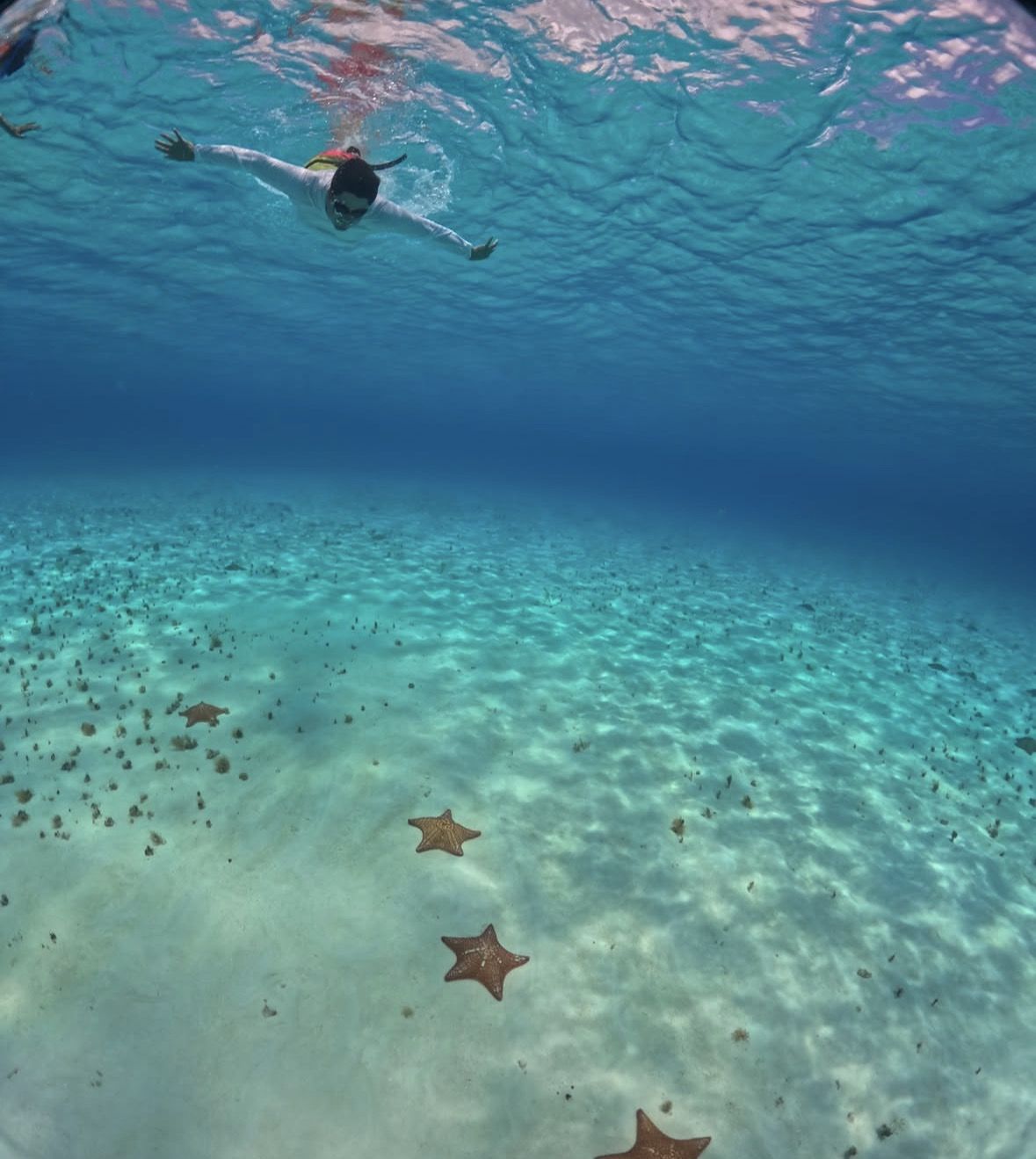
Cozumel's modern identity was fundamentally transformed in 1961 when legendary French oceanographer Jacques-Yves Cousteau featured the island's coral reefs in a documentary that broadcast their extraordinary beauty to the world. Cousteau declared the Palancar Reef — part of the Mesoamerican Barrier Reef, the second-largest coral reef system on Earth — to be one of the most spectacular diving locations on the planet. That single pronouncement ignited a global wave of interest. Divers began arriving from Europe and North America almost immediately, and the sleepy fishing village of San Miguel scrambled to build hotels, rent equipment, and train guides to meet demand that nobody had anticipated.
The 1970s brought infrastructure investment that accelerated Cozumel's transformation from backpacker dive haven to international resort destination. The first cruise ship called at the island in 1968, and by the mid-1970s regular cruise service had begun reshaping the local economy. The Mexican government invested in road improvements, the expansion of the international airport, and the development of the waterfront malecón in San Miguel. Dive operators multiplied rapidly, each carving out their own reputation along the island's magnificent western wall dives. Sites like Santa Rosa Wall, Columbia Reef, and Palancar Gardens became legendary among the global dive community, drawing certification holders from dozens of countries annually.
In September 1988, Hurricane Gilbert delivered a devastating blow to Cozumel and the broader Yucatán Peninsula, with sustained winds exceeding 185 mph making it one of the most powerful Atlantic hurricanes ever recorded at the time. The storm caused widespread destruction across the island, damaging coral formations, flattening structures, and temporarily disrupting the tourism economy. However, Cozumel's recovery proved remarkably swift, underpinned by the resilience of its reef ecosystems and the determination of local families who had built their livelihoods around the sea. The rebuilding process also introduced stricter environmental regulations, planting seeds for the conservation ethos that defines responsible tourism on the island today.
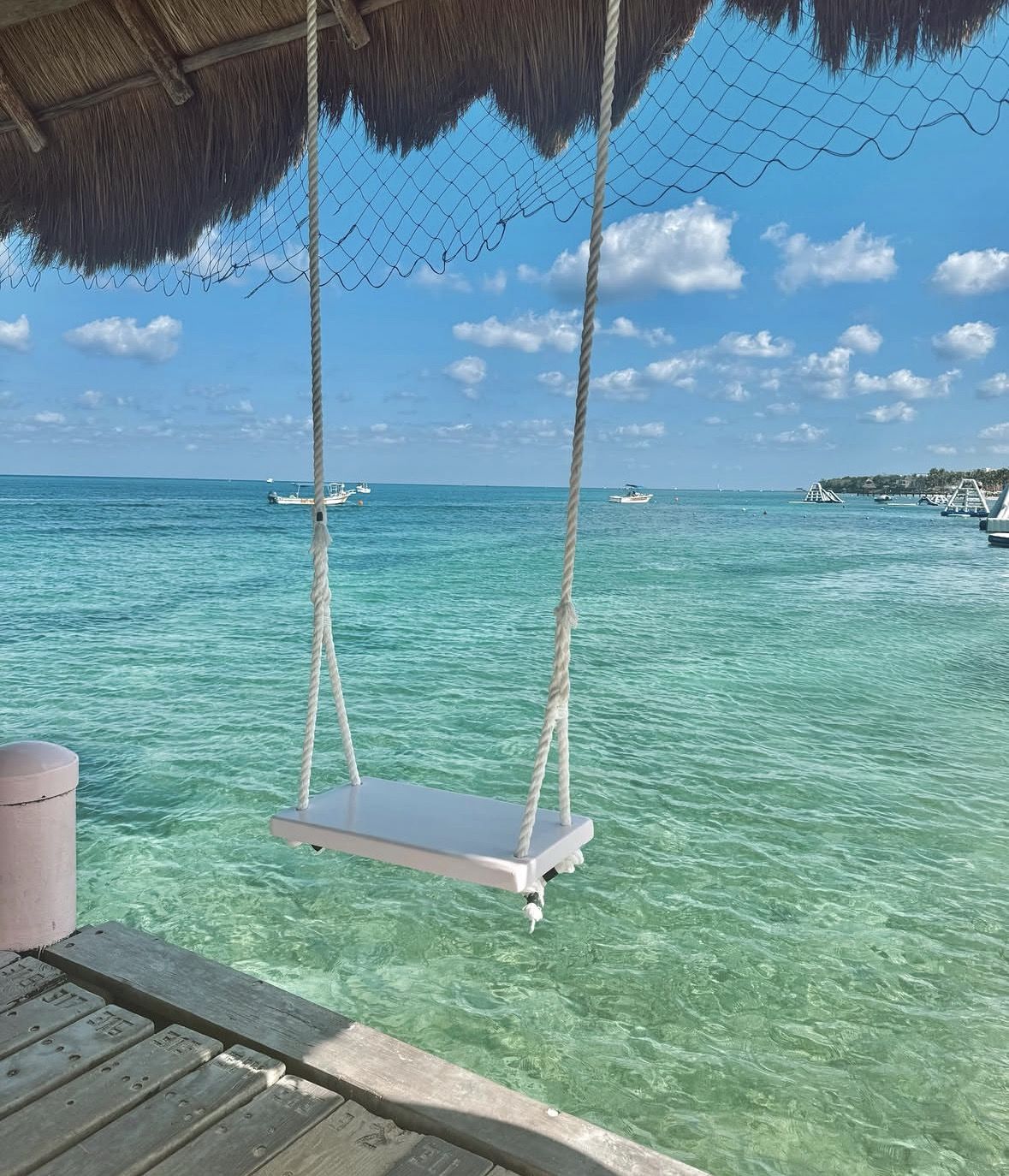
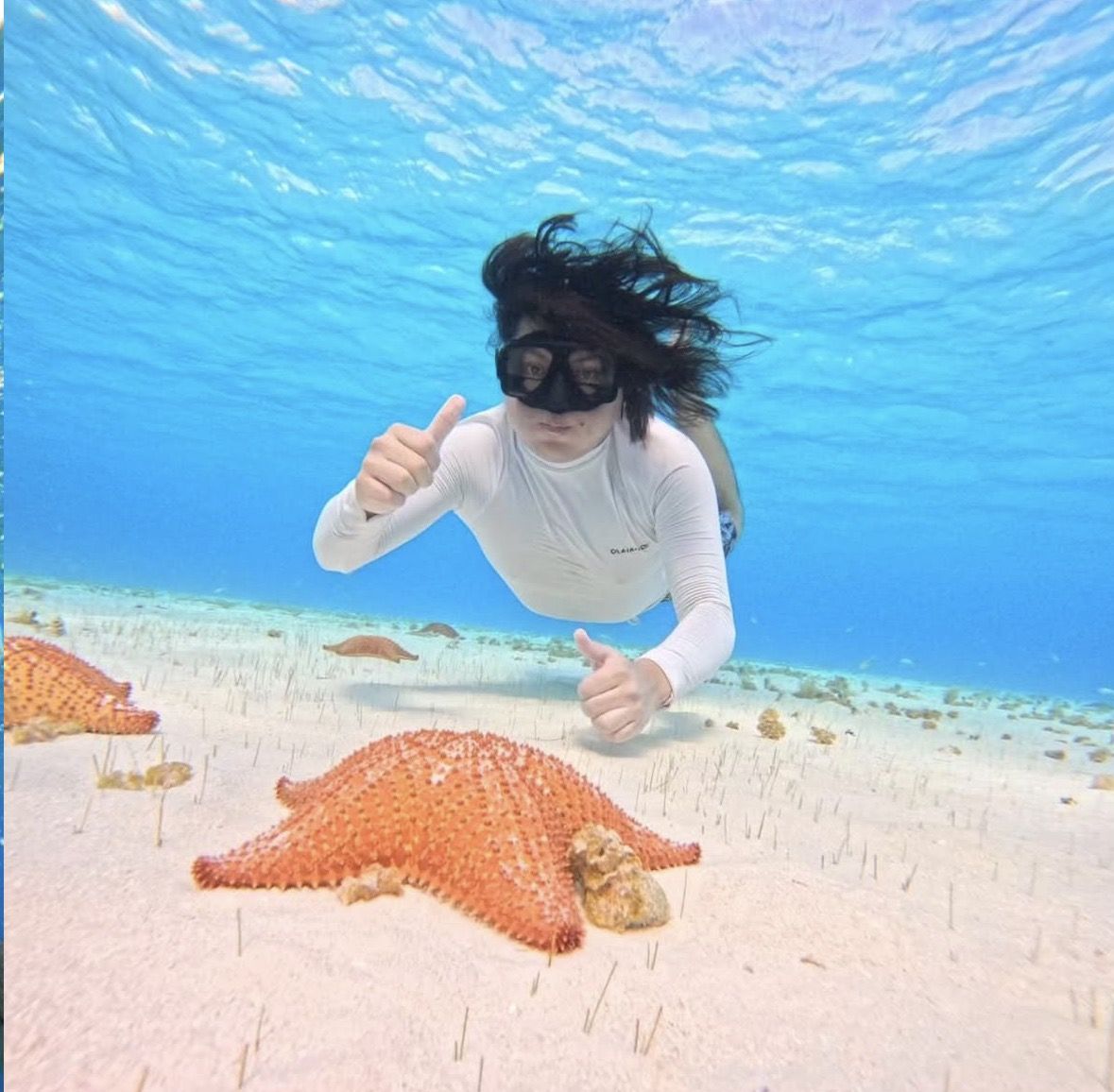
Present-day Cozumel is a fascinating layering of ancient legacy, colonial memory, and thoroughly modern Caribbean ambition. San Miguel de Cozumel, the island's only town, buzzes with a mix of dive shops, taco stands, artisan markets, and open-air bars where locals and visitors mingle along the pastel-painted waterfront. The archaeological site of San Gervasio still receives pilgrims of a different kind — curious travelers who walk the sacbe white stone roads and peer into ancient shrines, piecing together the world Cortés encountered five centuries ago. The island's interior remains largely wild jungle, home to endemic species including the Cozumel raccoon, the Cozumel fox, and dozens of bird species found nowhere else on Earth.
Whether you descend through crystalline water alongside eagle rays at Palancar Reef, explore Maya temples half-swallowed by jungle vines at San Gervasio, or simply sit at a waterfront table eating freshly grilled fish as the Caribbean sky turns amber at dusk, Cozumel rewards every type of traveler with an authenticity that larger destinations struggle to match. The island's history — shaped by goddesses and conquistadors, pirates and pioneers, coral and Cousteau — lives vibrantly in every reef, ruin, and resident who calls this remarkable place home. There has never been a better time to come and experience it for yourself, and the island is ready to add your story to its extraordinary tapestry.
Ready to Experience It Yourself?
From world-renowned drift dives along Palancar Reef to guided tours of ancient Maya ruins at San Gervasio, Cozumel's experiences are as deep and layered as its history. Browse our handpicked selection of tours, excursions, and dive packages to find the perfect way to explore this legendary Caribbean island. Book with confidence and let Cozumel's 2,000 years of wonder unfold around you.
Book Your Tour Now